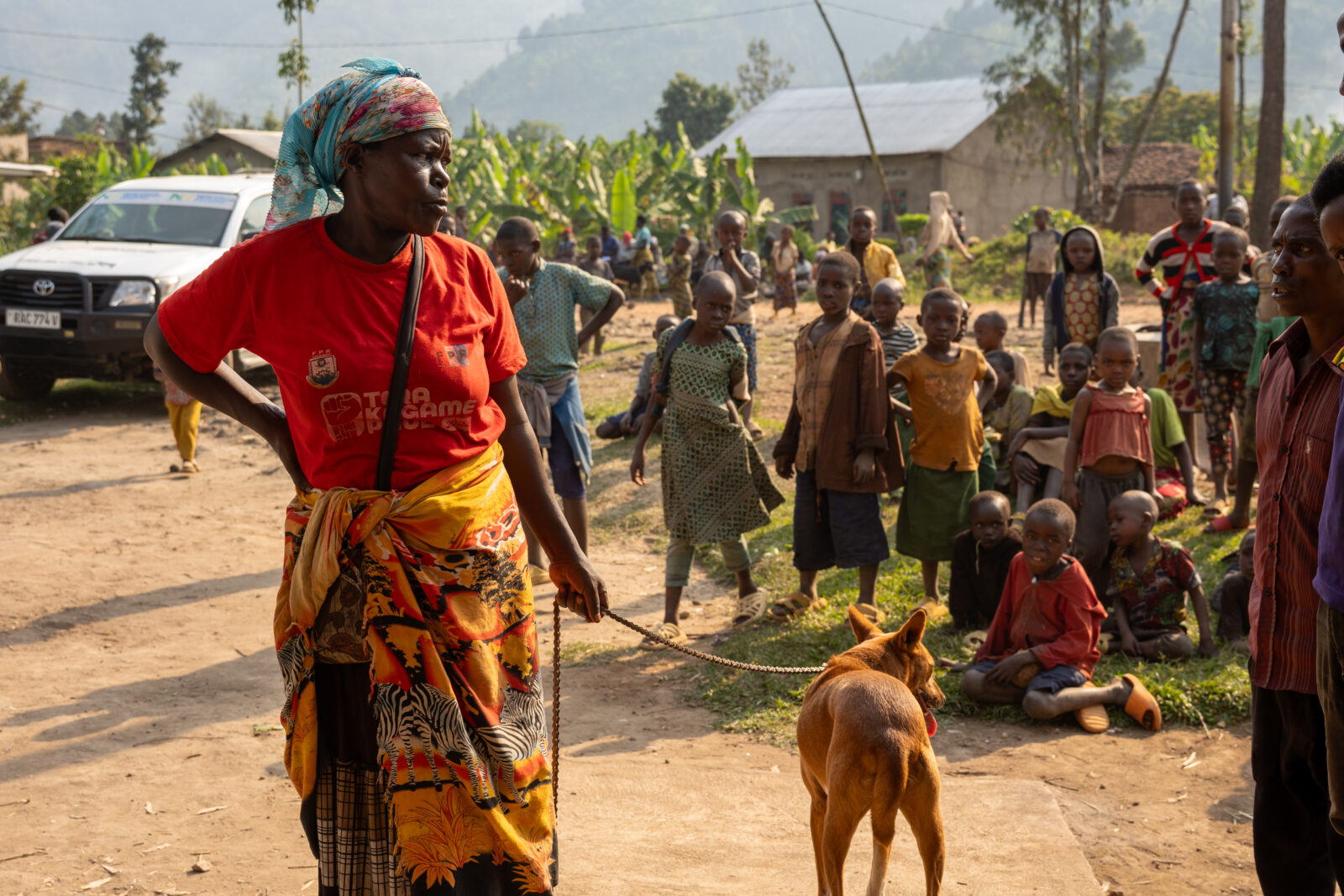
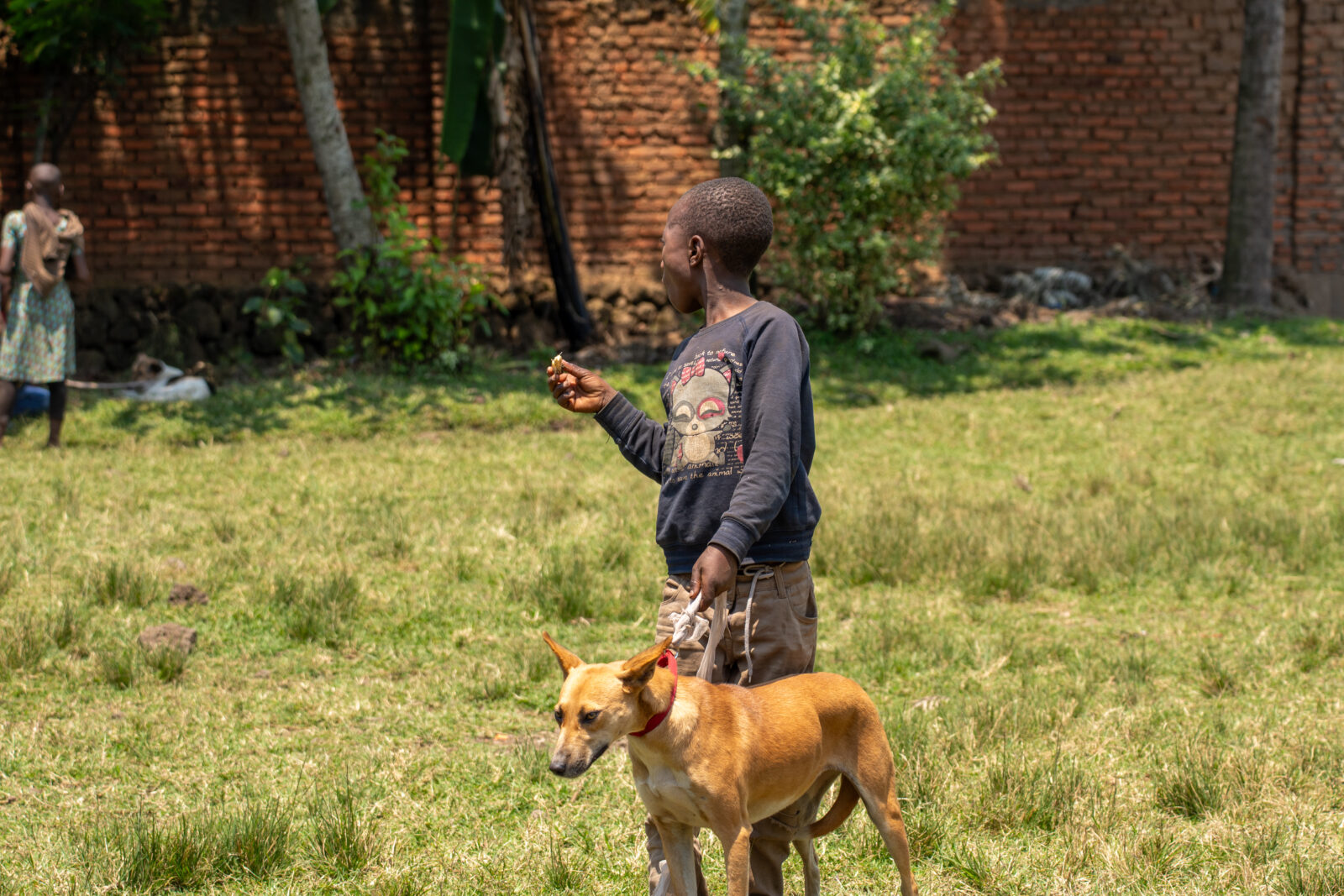
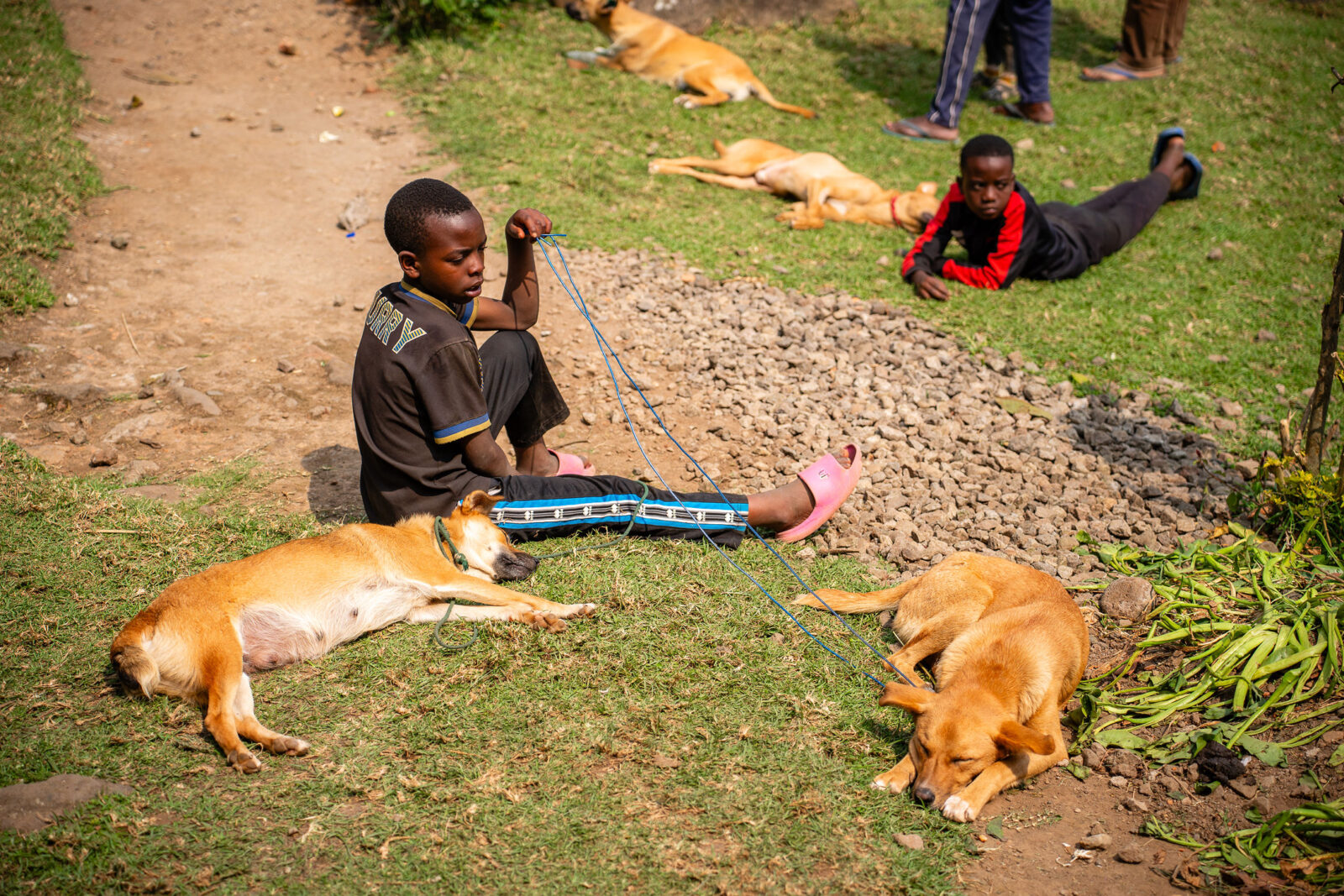
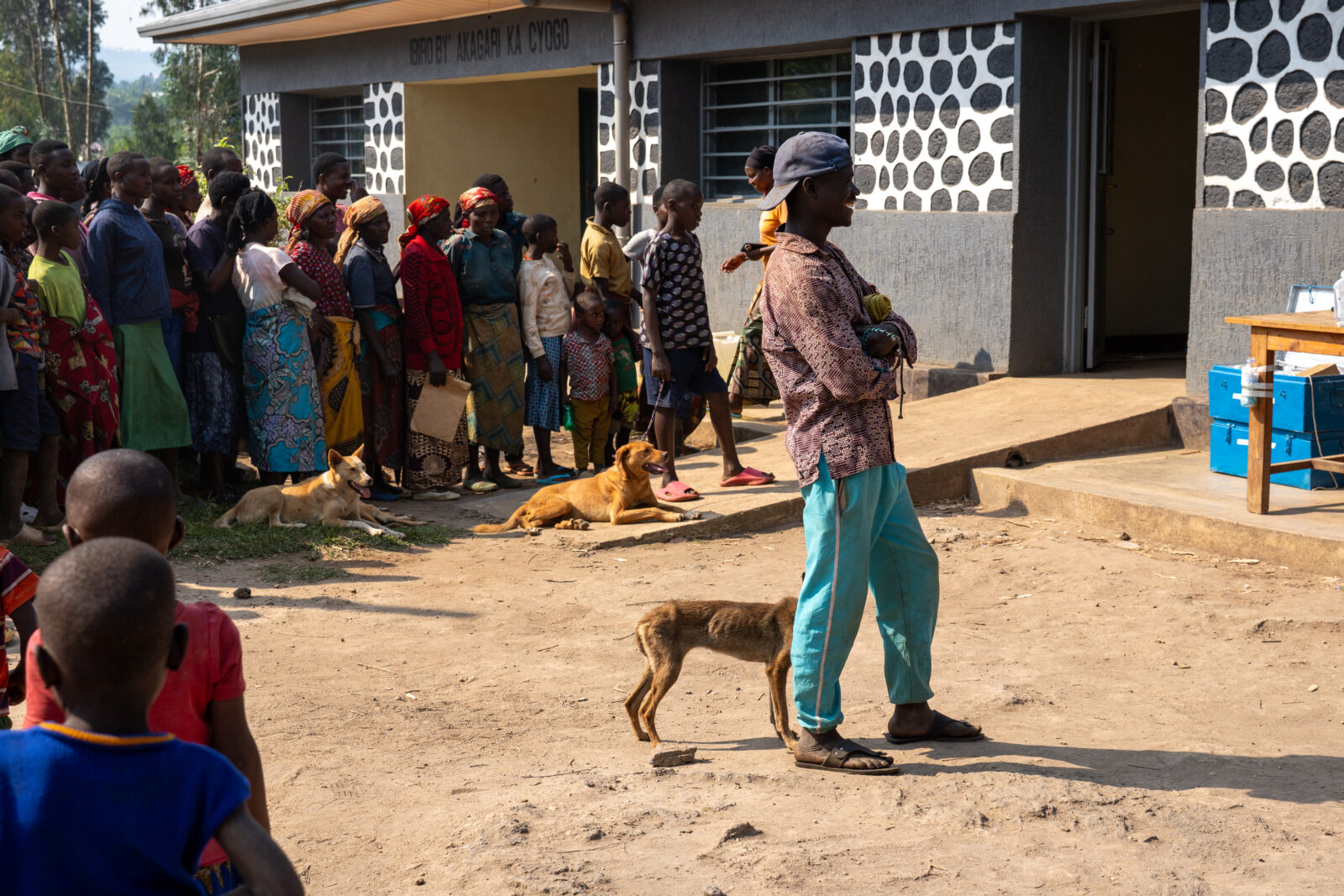
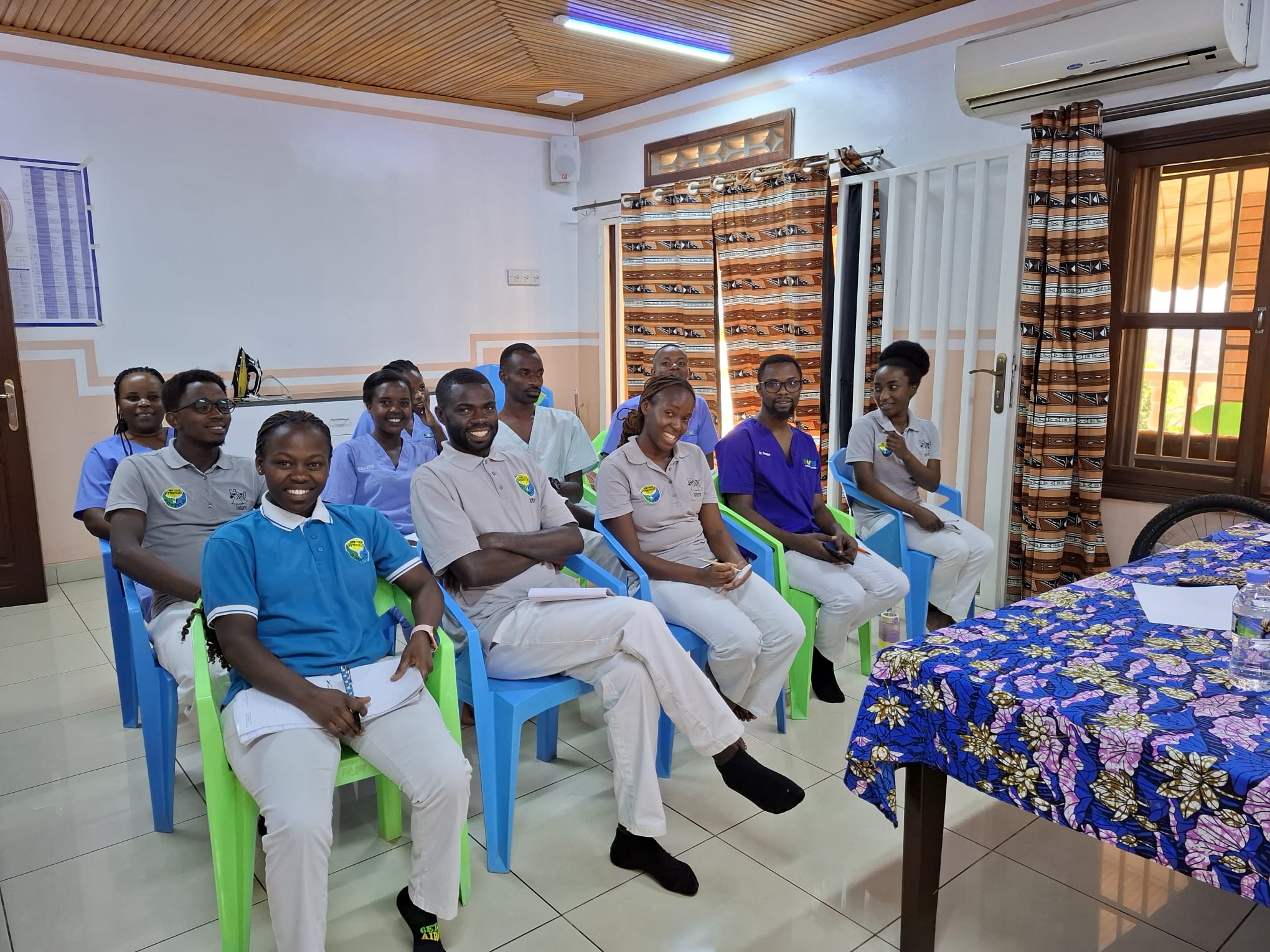
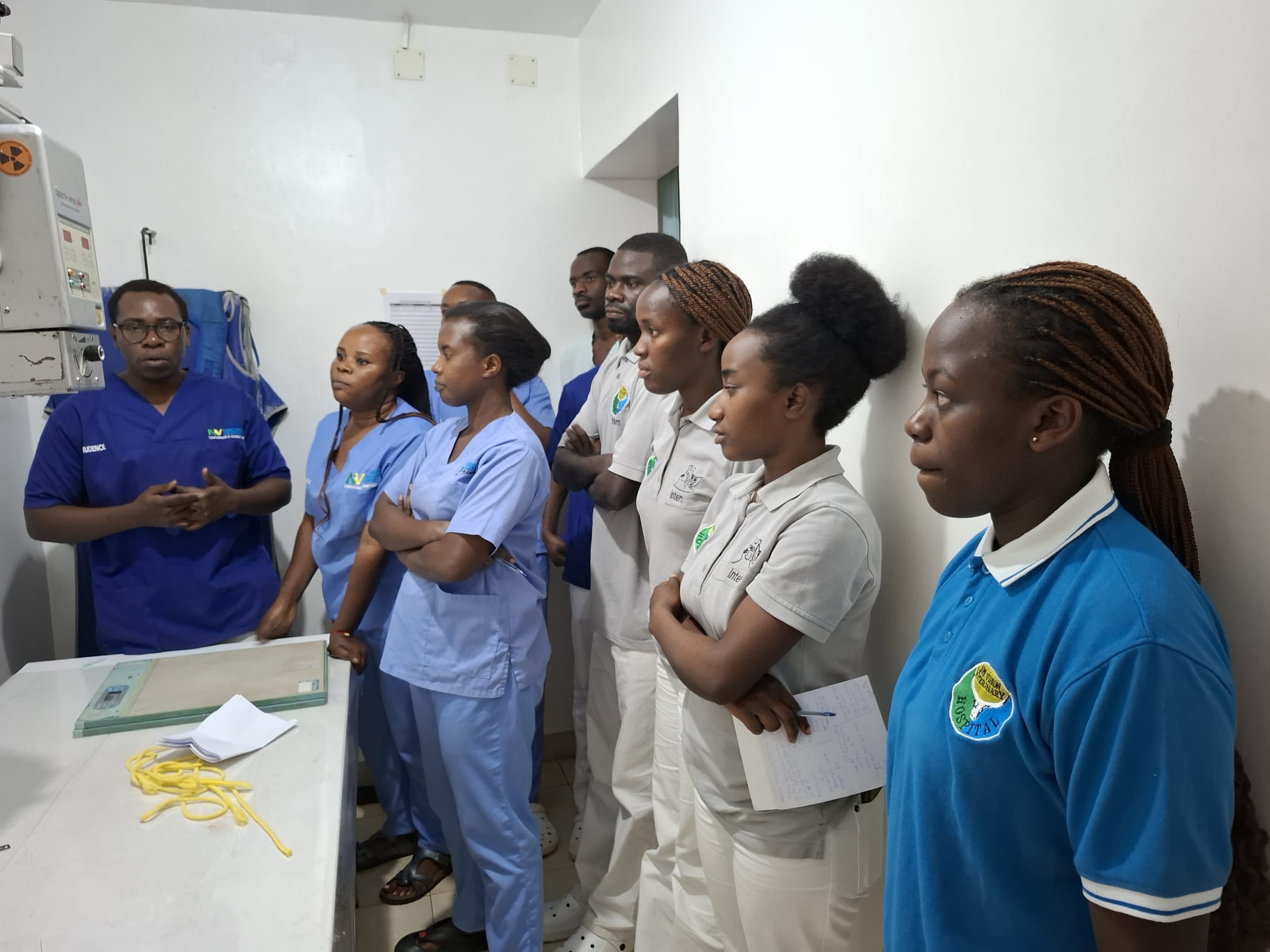
The HDPM is a concept that has been in place for many years, designed to control the state’s dog population in a scientifically sound and animal-welfare-friendly manner.
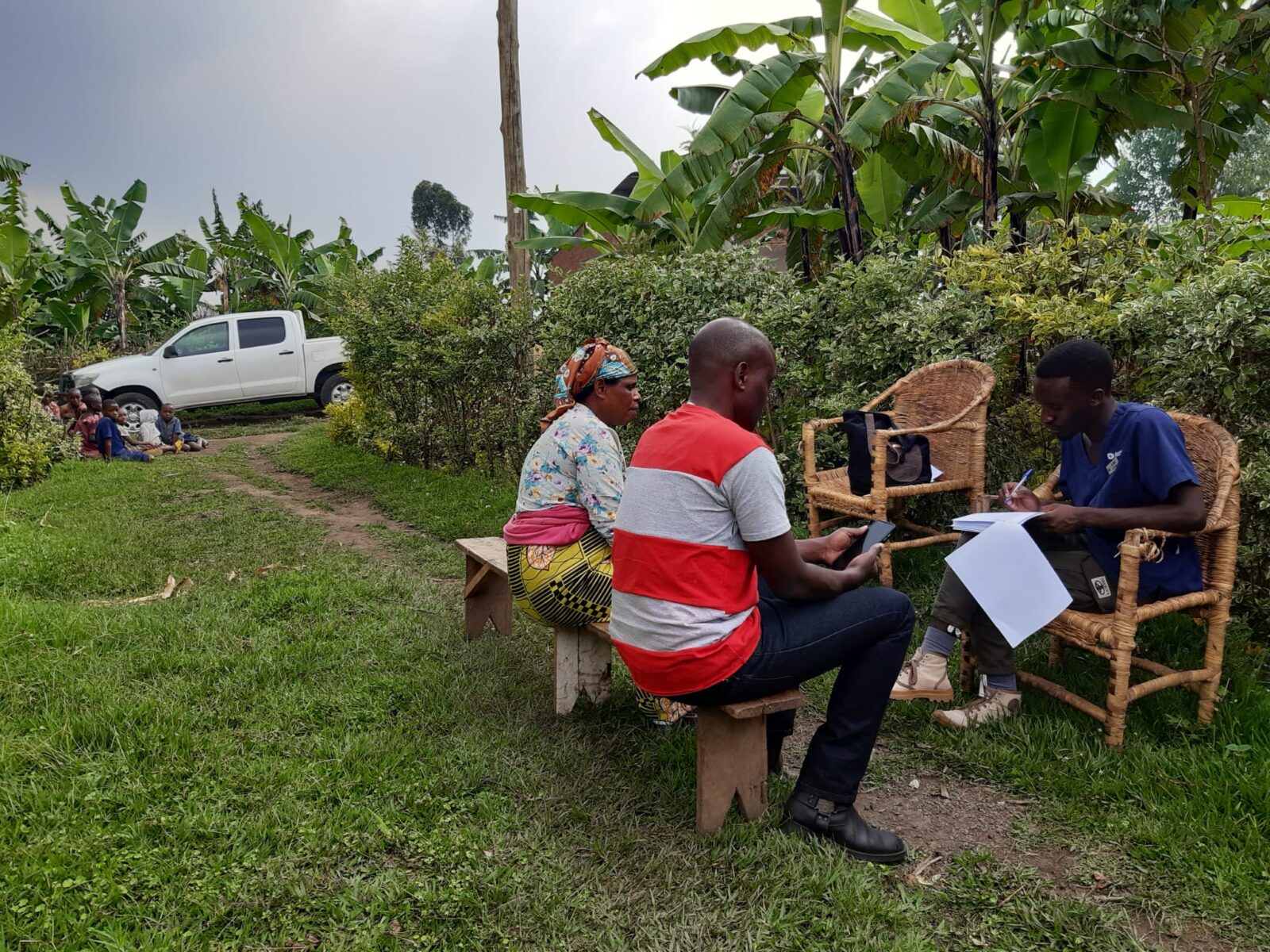
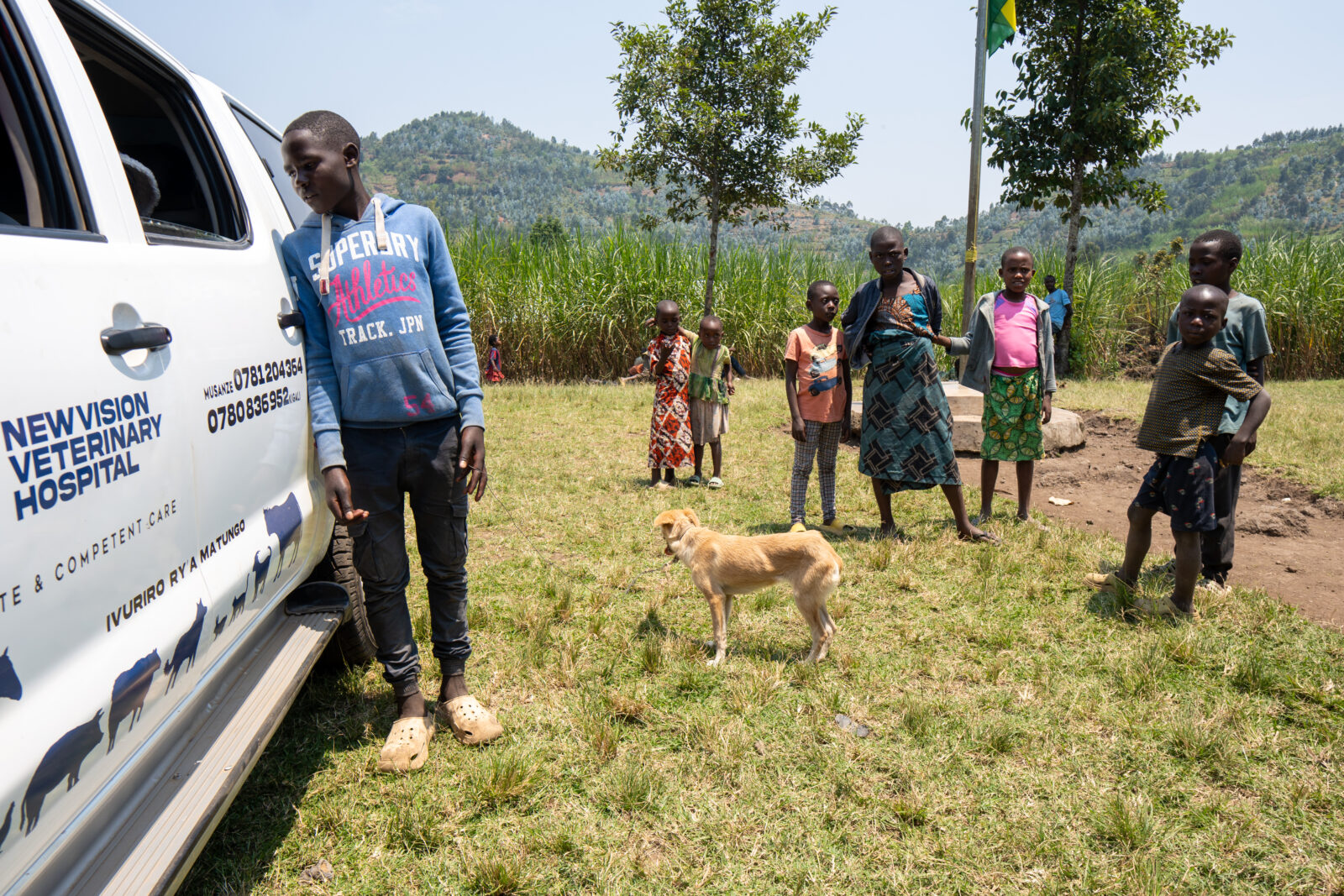
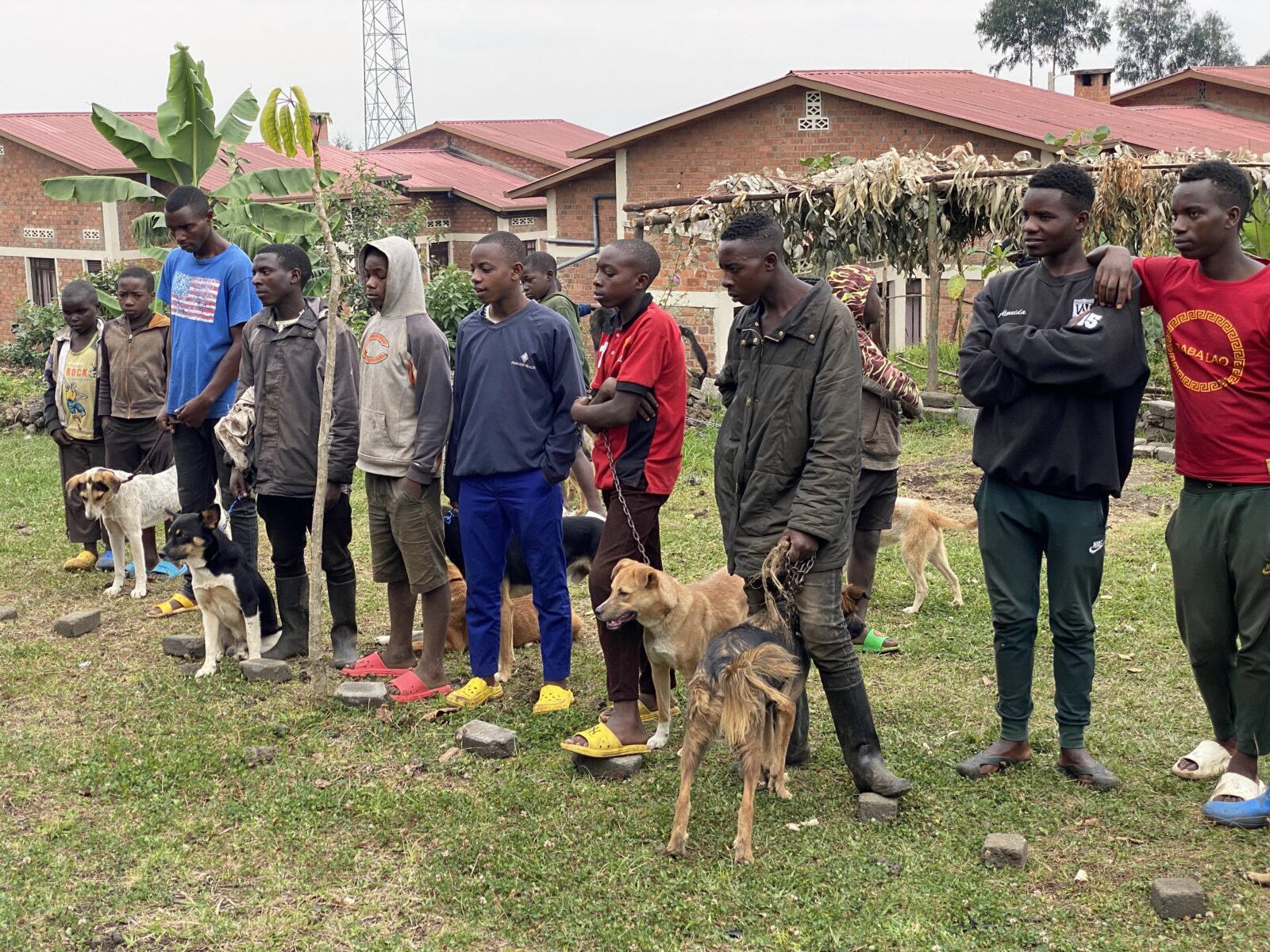
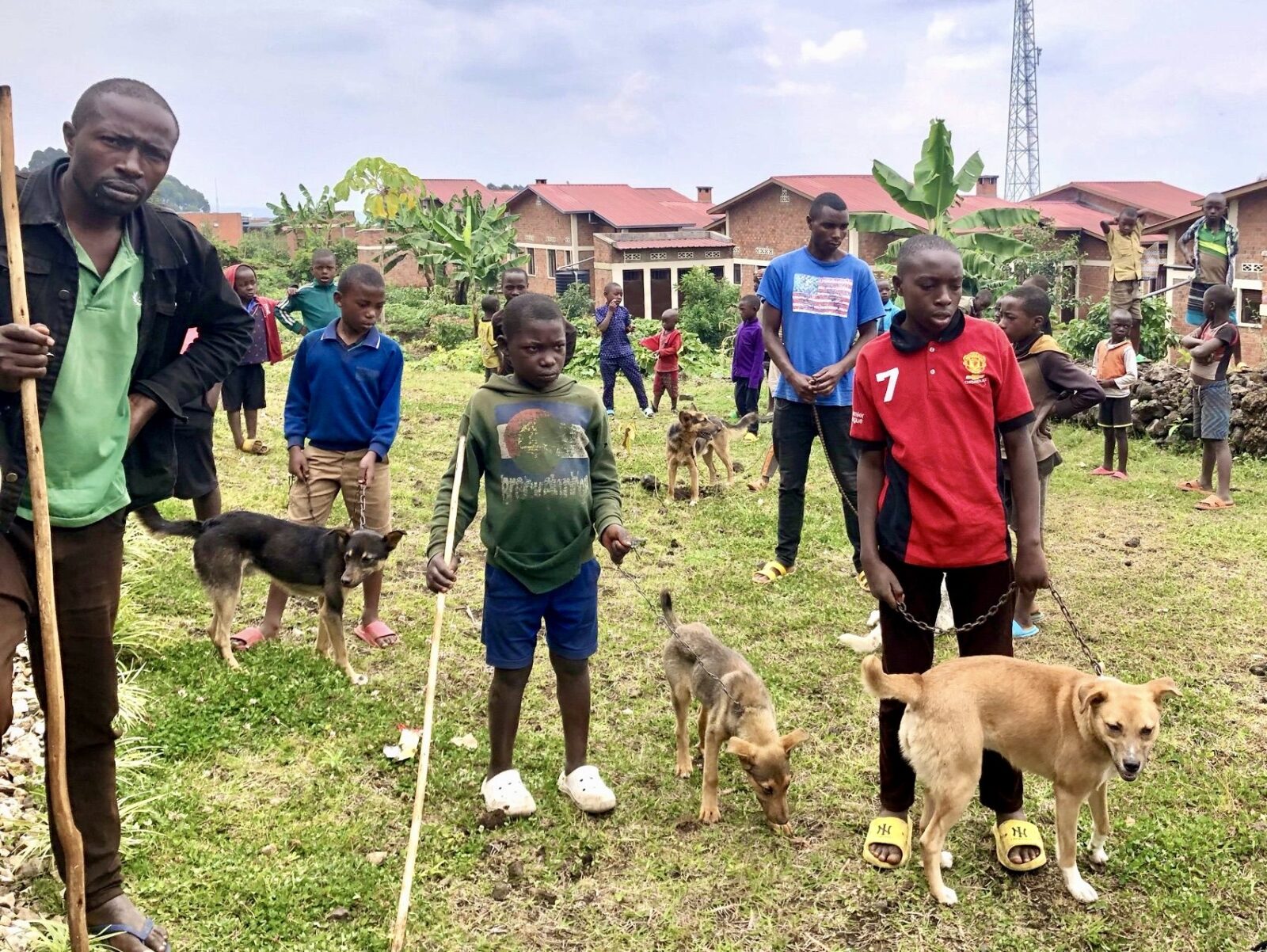
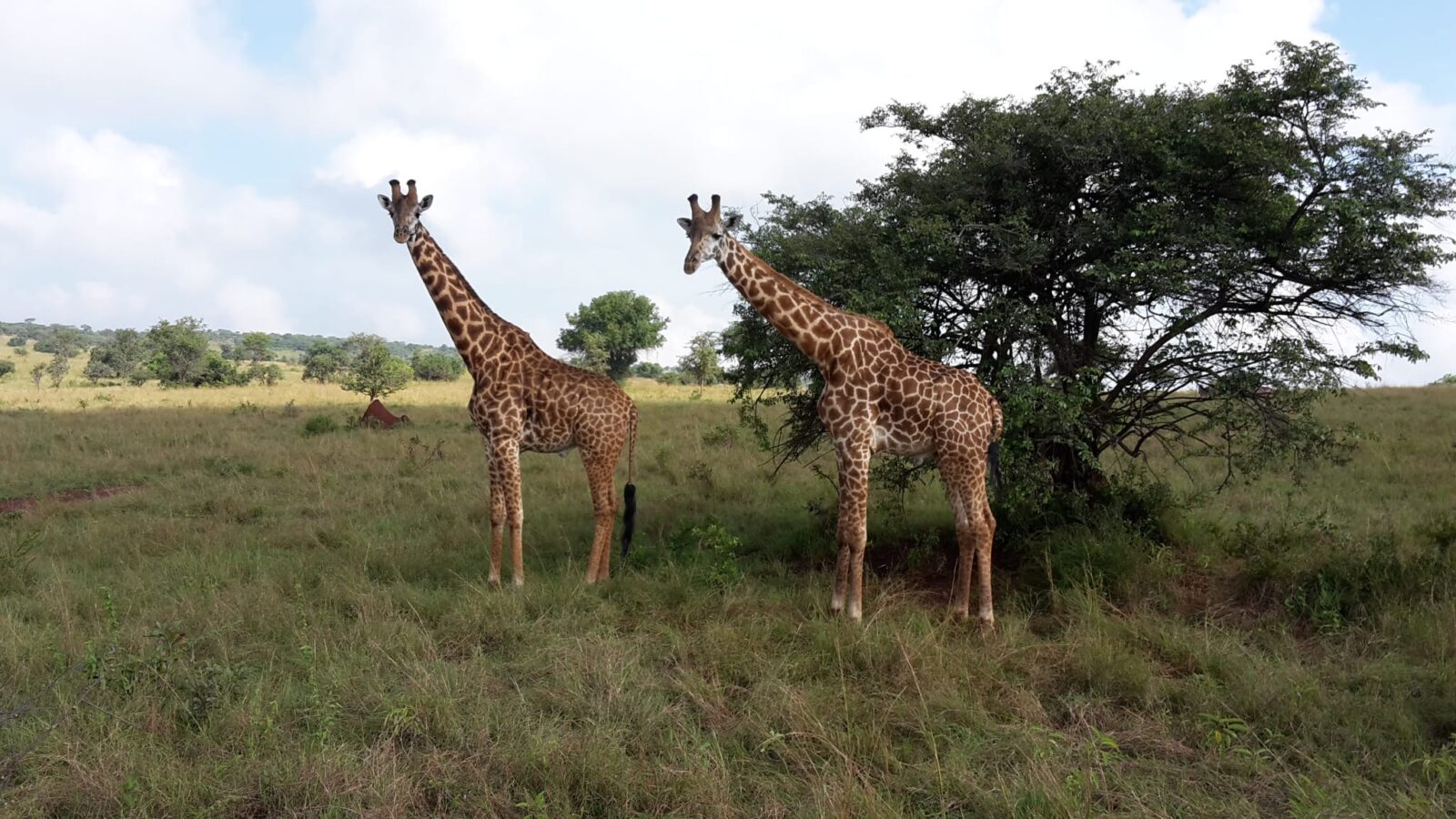
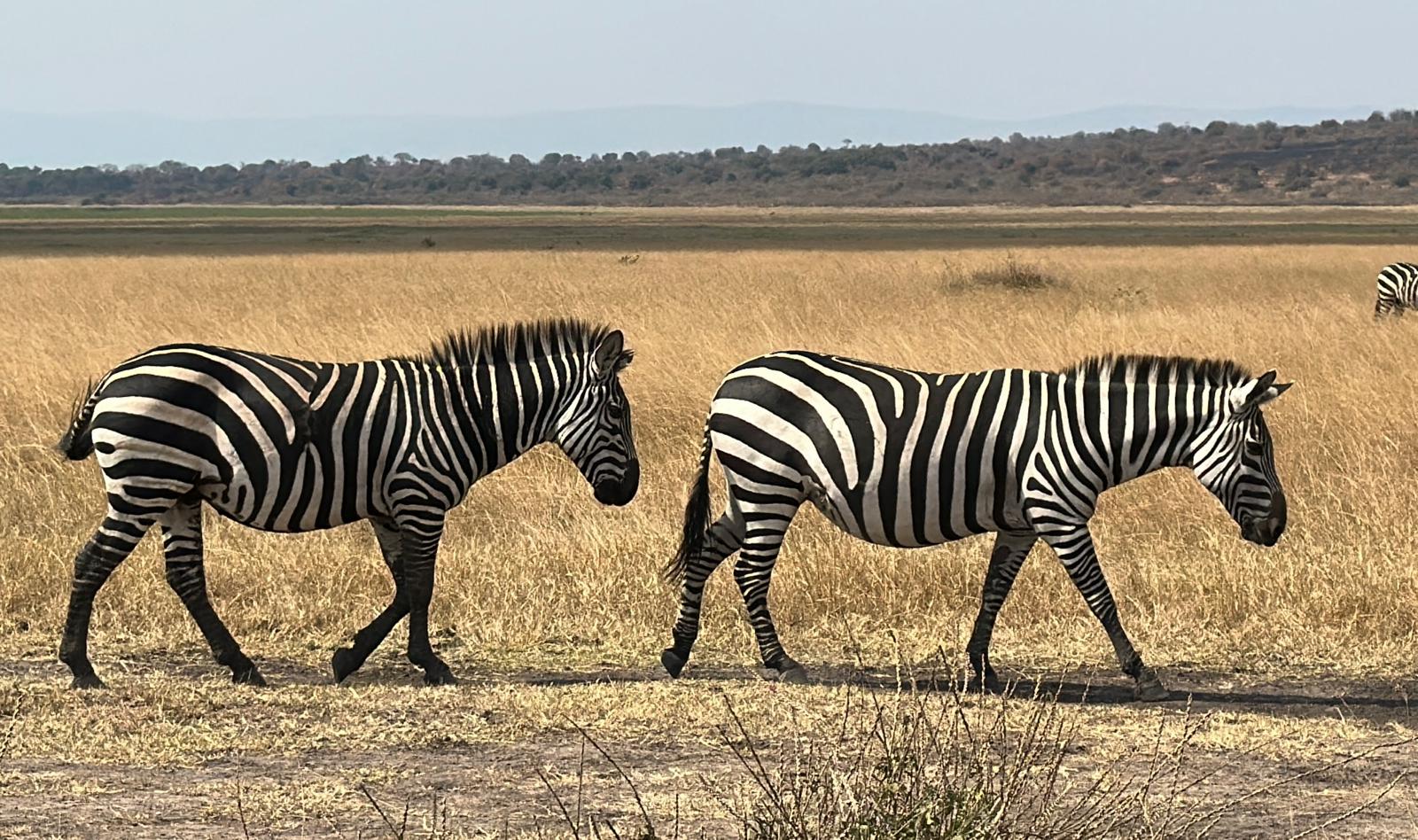
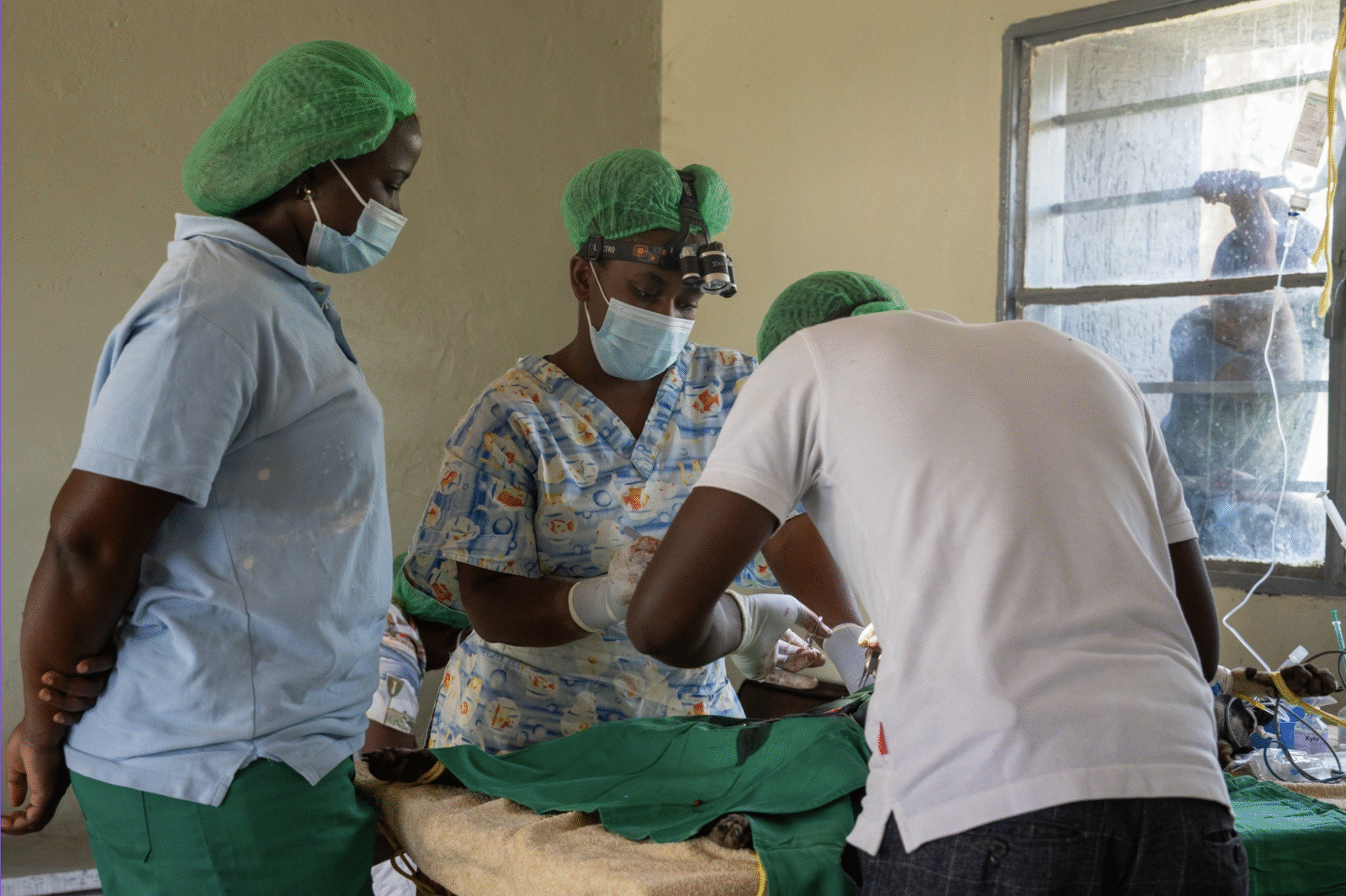
As part of this initiative, villages are visited—after prior notice and at regular intervals—to spay or neuter, register, treat, and vaccinate dogs free of charge for their owners, in accordance with international standards. During these visits, pet owners are made aware of any issues related to dog care, and suggestions for improvement are provided. These activities also benefit the animals in Volcanoes National Park, located in the northwest of the country. Among many other protected animals, mountain gorillas live here. Before the HDPM was established, stray dogs repeatedly hunted and killed animals in the national park. The situation has improved significantly. The threat to the local population from rabies - which can be transmitted by unvaccinated domestic dogs - has been reduced through rabies vaccination programs.
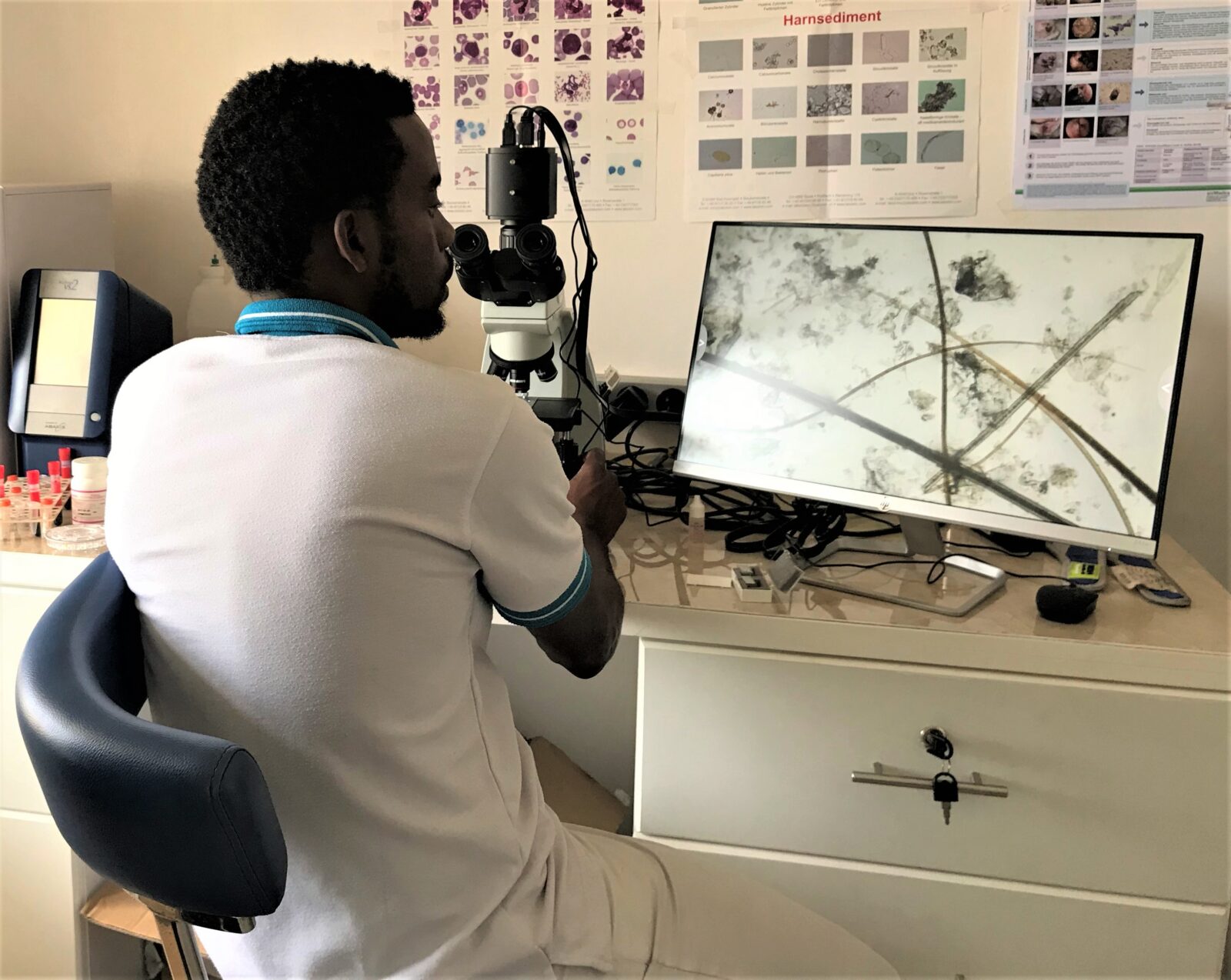
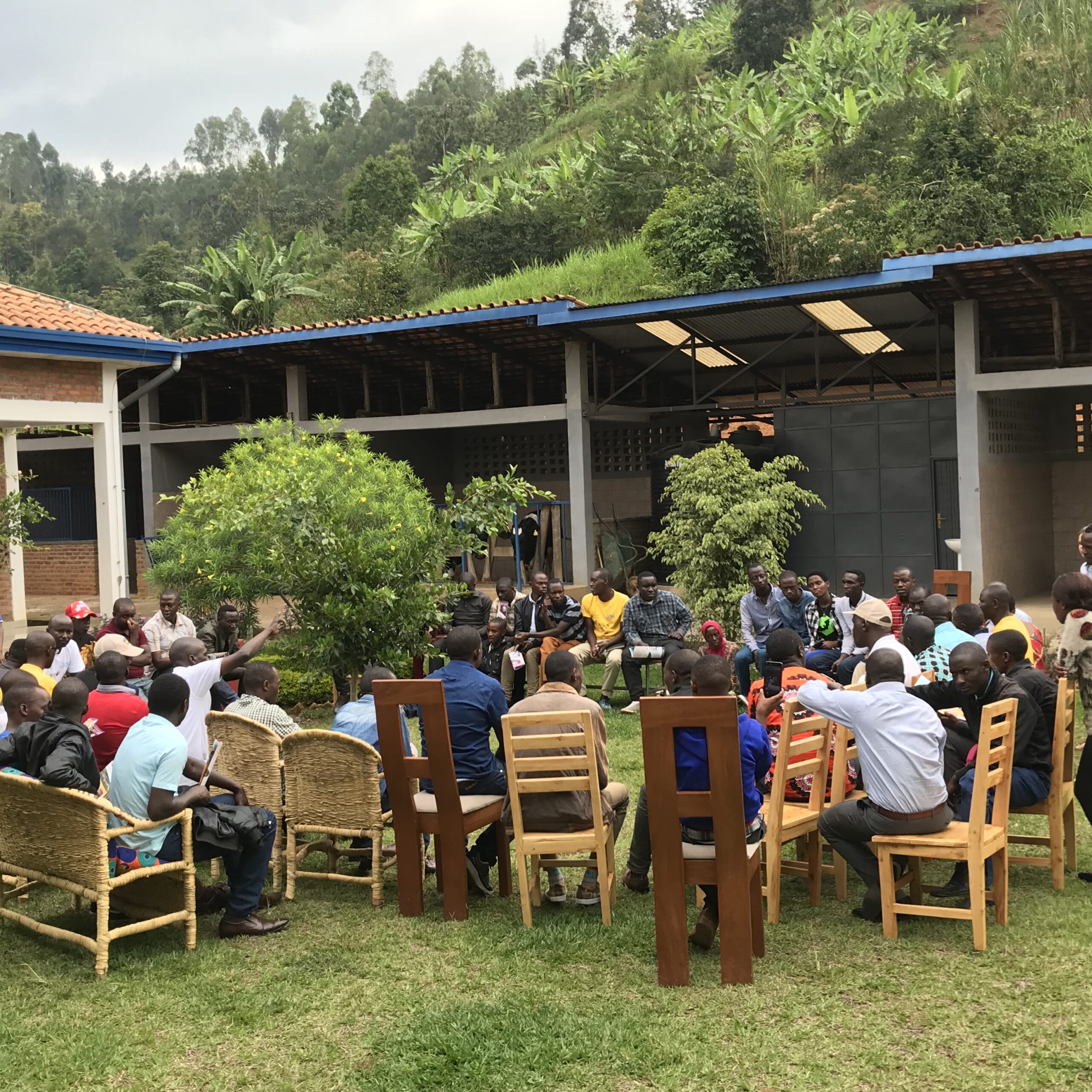
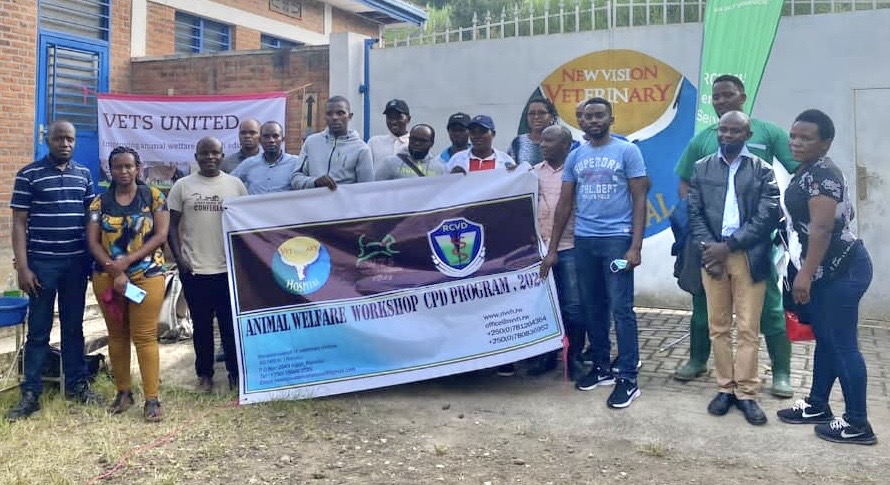
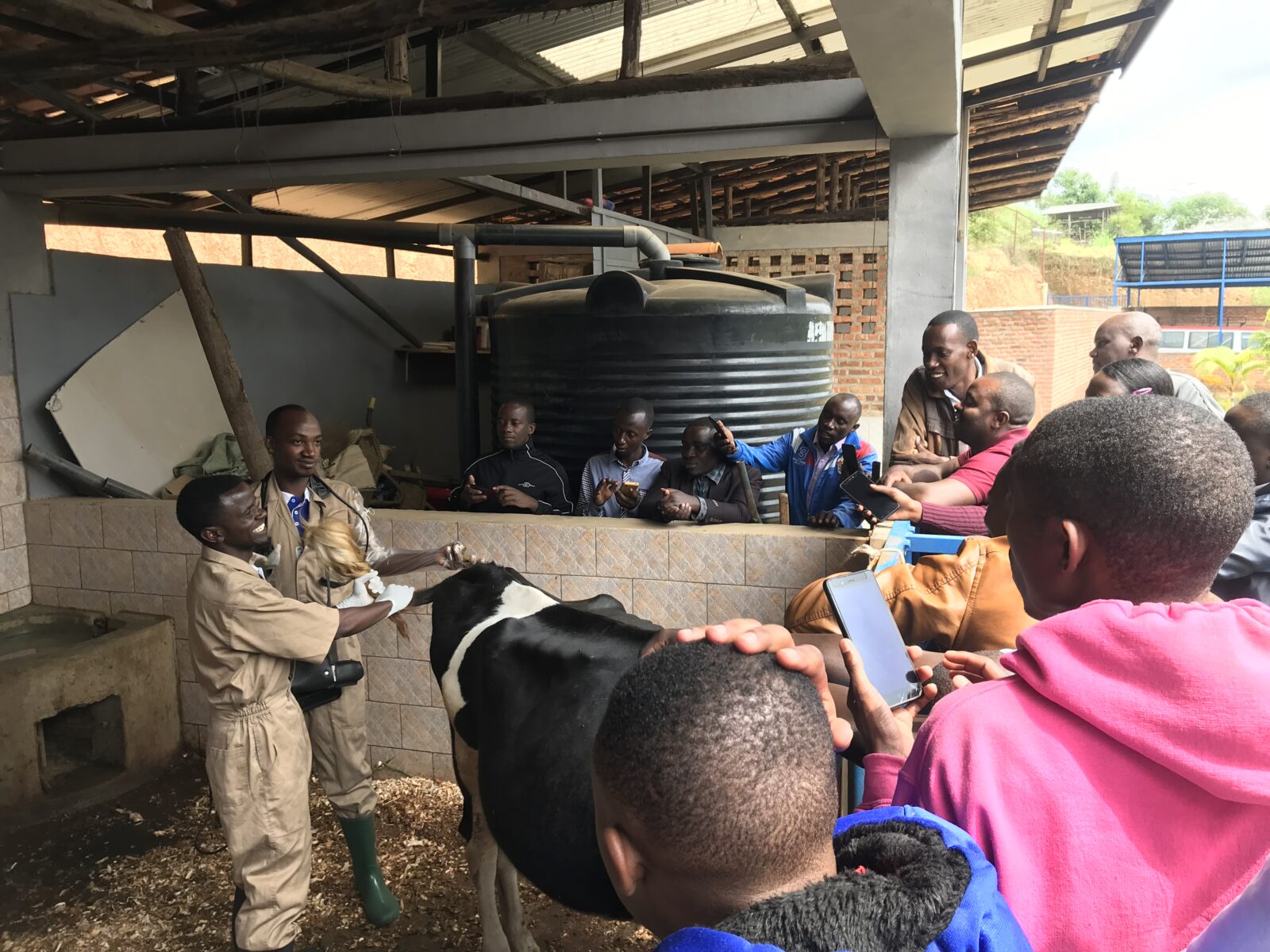
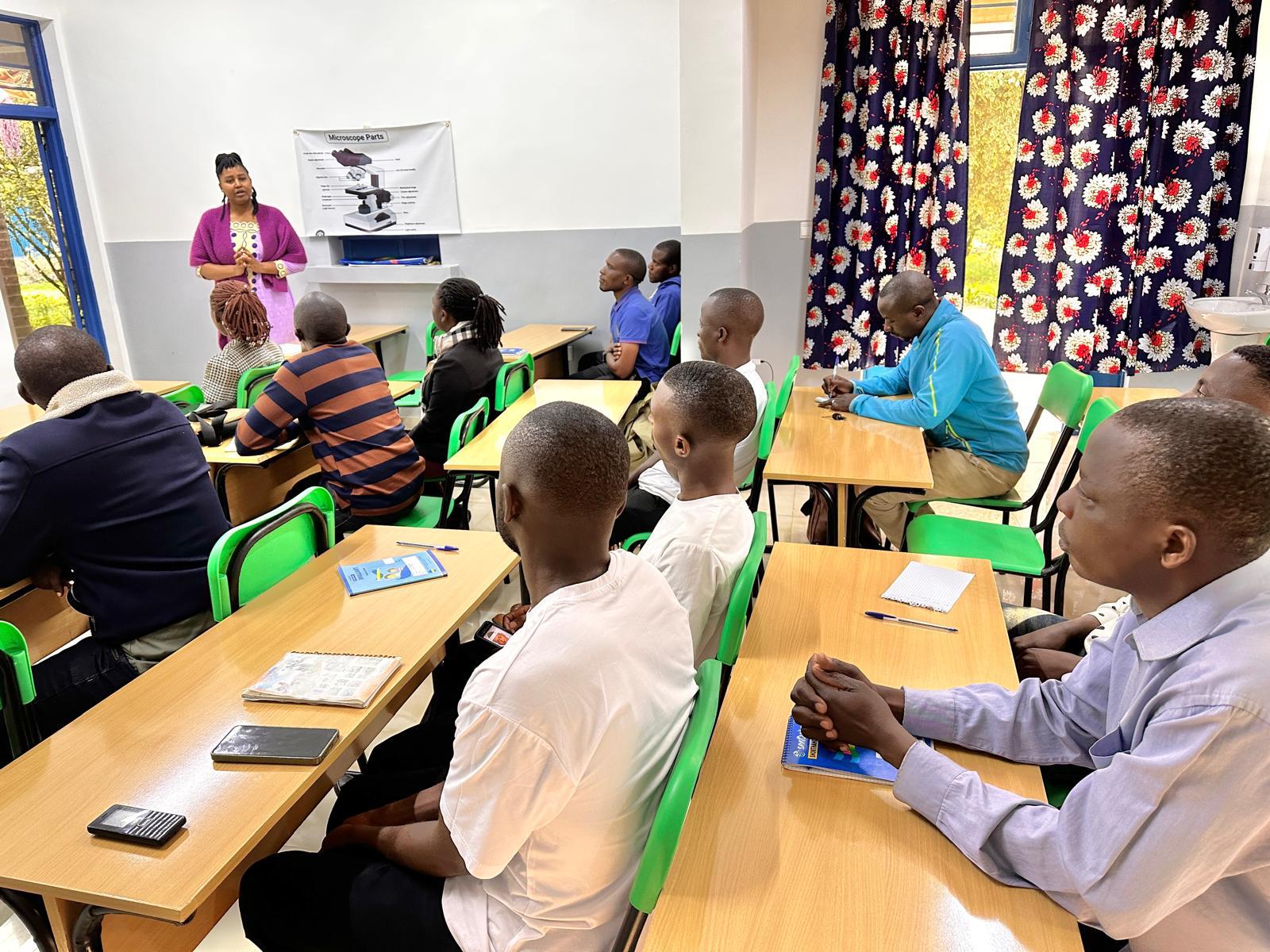
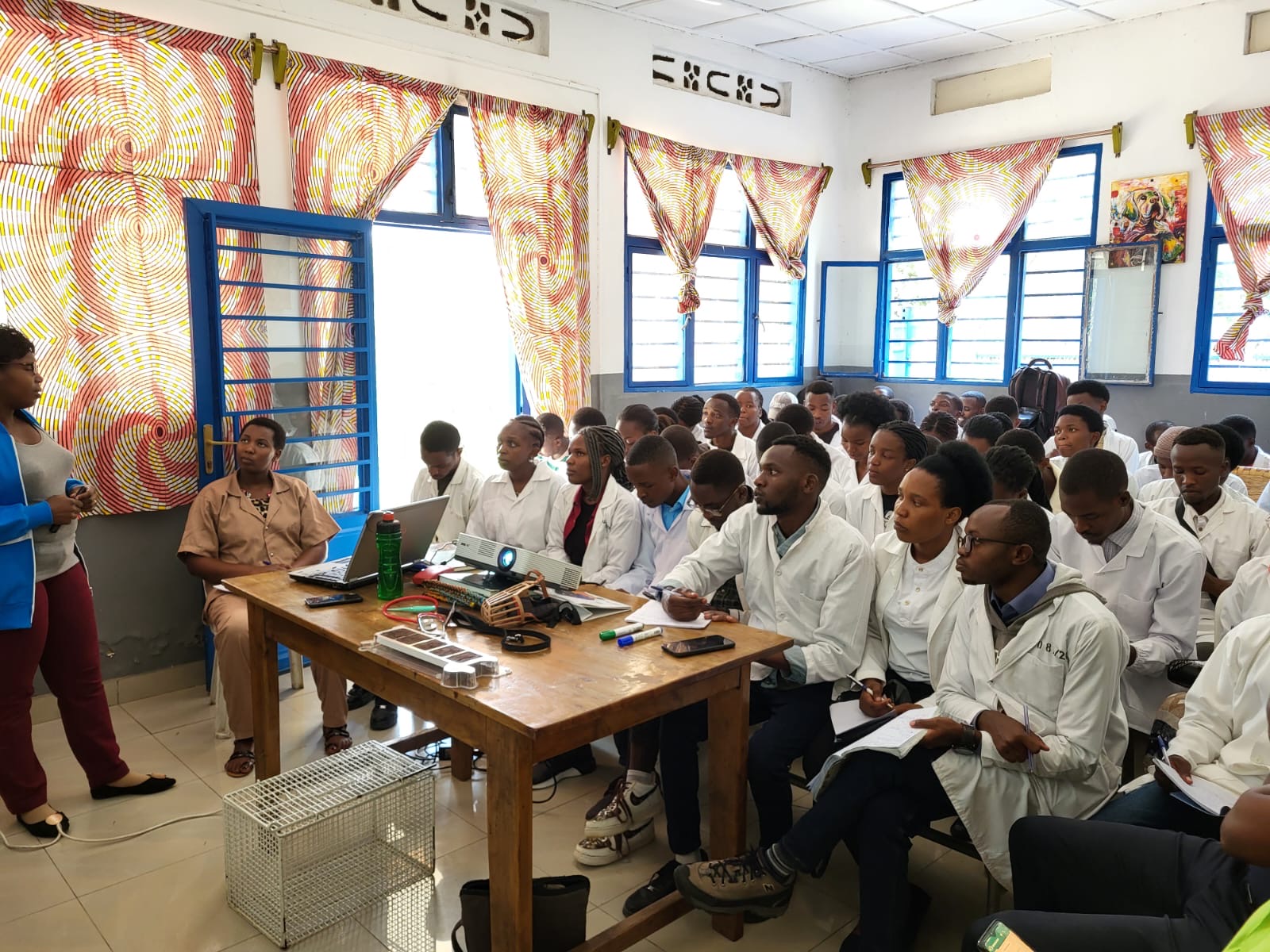
Since the establishment of NVVH, and in cooperation with the Universities of Rwanda (UR) and Vienna (VMU Vienna), studies have been conducted on topics such as dog population dynamics, antibiotic resistance, and mastitis, along with related theses, dissertations, and scientific publications. These activities are made possible through the support and infrastructure of NVVH.